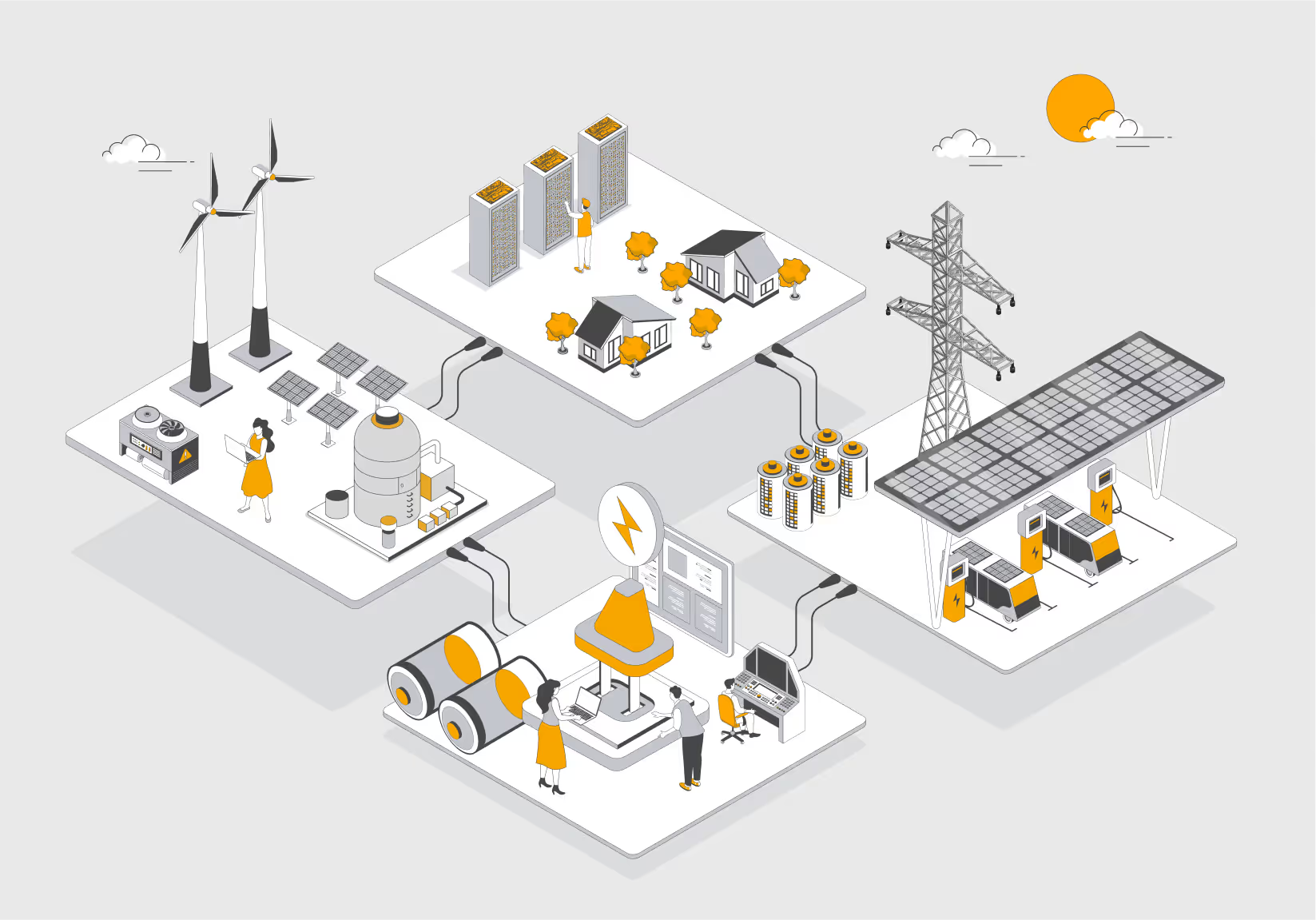
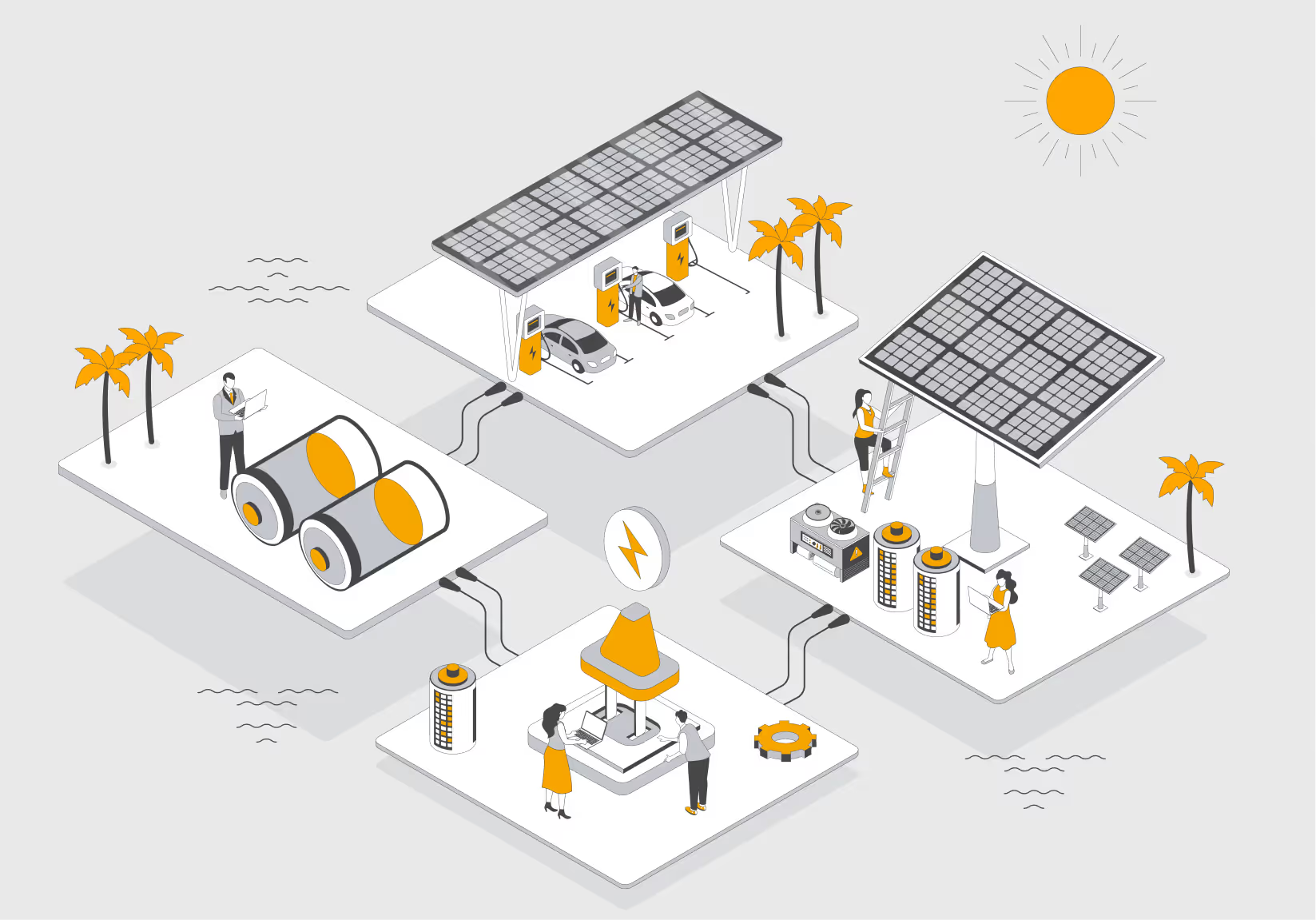
This Renewable Energy Hub shows how Solar PV, battery storage and distributed EV charging infrastructure could support the transition to electric transport in Pacific Island communities. The model is designed to reduce reliance on imported fossil fuels, improve local energy resilience and demonstrate a practical approach to sustainable island infrastructure.
System Design & Features
- Solar PV generation provides the primary energy source, using both ground-mounted arrays and solar canopies at charging stations
- Strategically located charging stations improve accessibility across the island
- A central control centre manages energy generation, storage and distribution
- An integrated Battery Energy Storage System (BESS) supports reliability during periods of low or no solar generation
- Advanced battery management optimises performance and supports asset life
- Modular, containerised charging stations can be prefabricated and deployed efficiently
- Automated fast-charging operation reduces operational complexity and ongoing cost
- The off-grid system reduces dependence on existing fuel and power infrastructure
Benefits & Outcomes
- Supports the transition to low-emission transport at community or regional scale
- Reduces dependency on imported diesel and fossil fuels
- Improves energy security and resilience
- Creates opportunities for local employment, training and sustainable tourism
- Provides a scalable model that could be replicated across other island regions
- Establishes a practical pathway to solar-powered electric transport network
About the project

Location:
Pacific Islands - illustrative global deployment model

Capacity:
1.65 MW

Energy Sources:
Solar PV

Off-takers:
Electric vehicles

Storage:
Battery Energy Storage System (BESS)

Grid Connected:
No