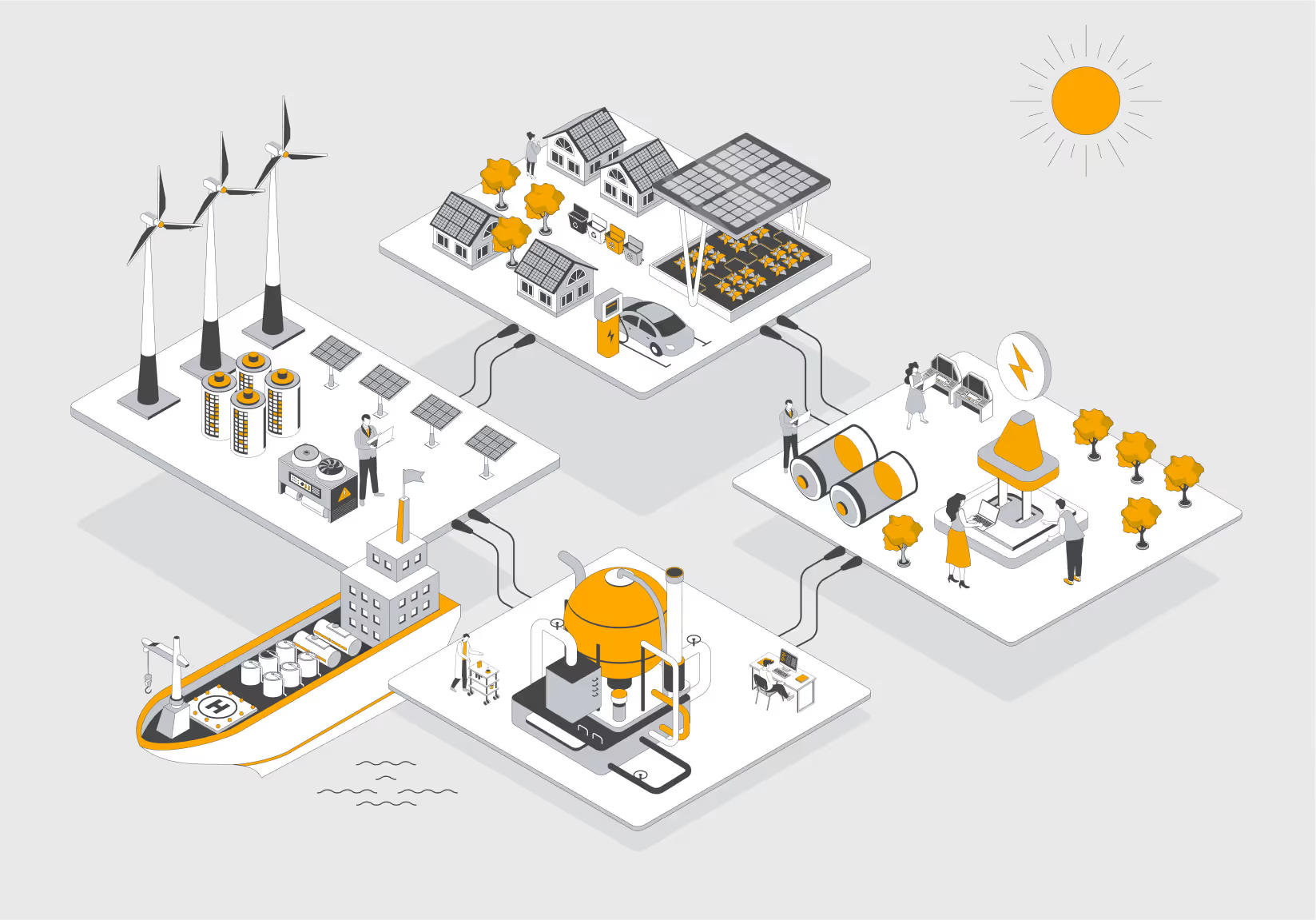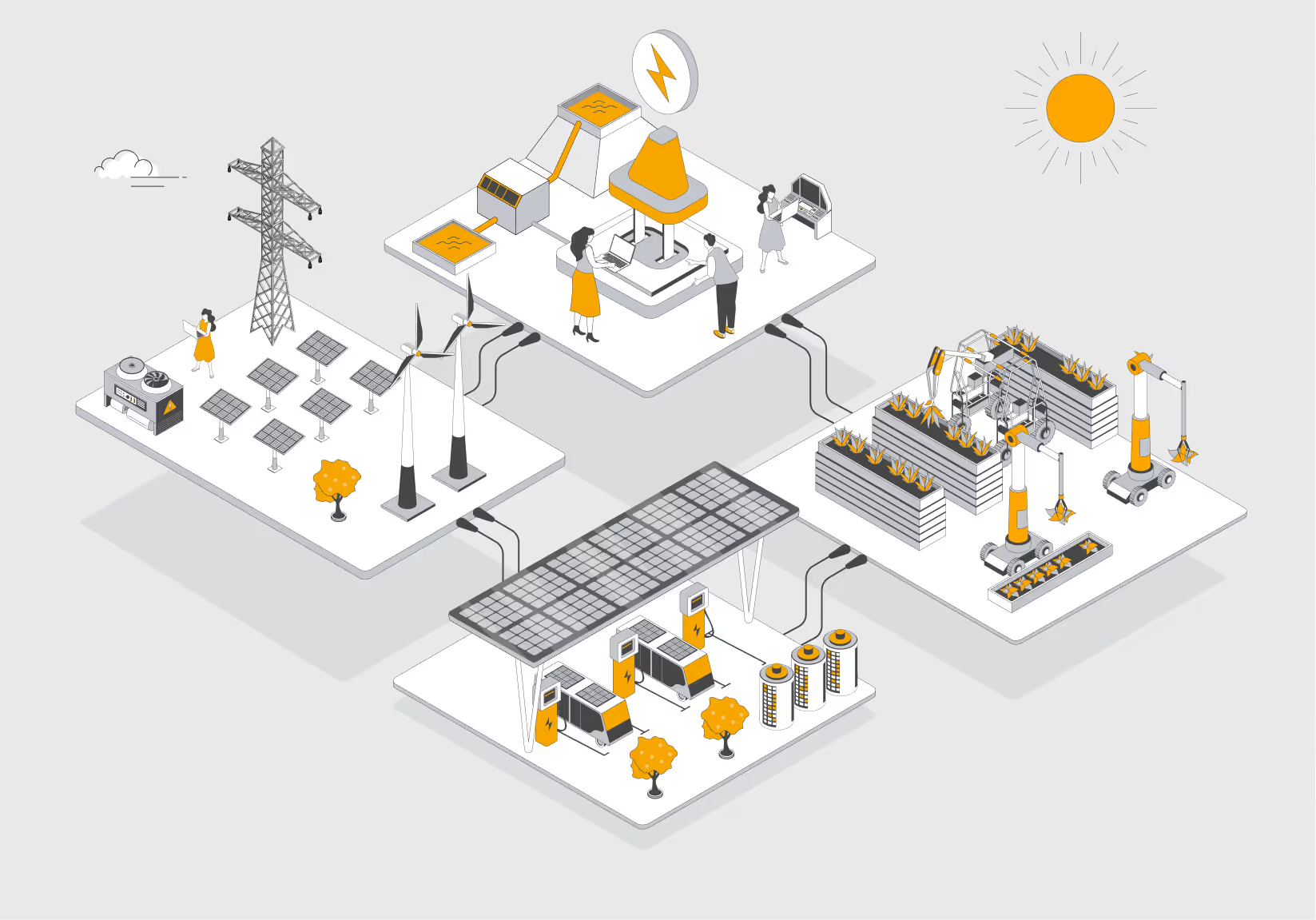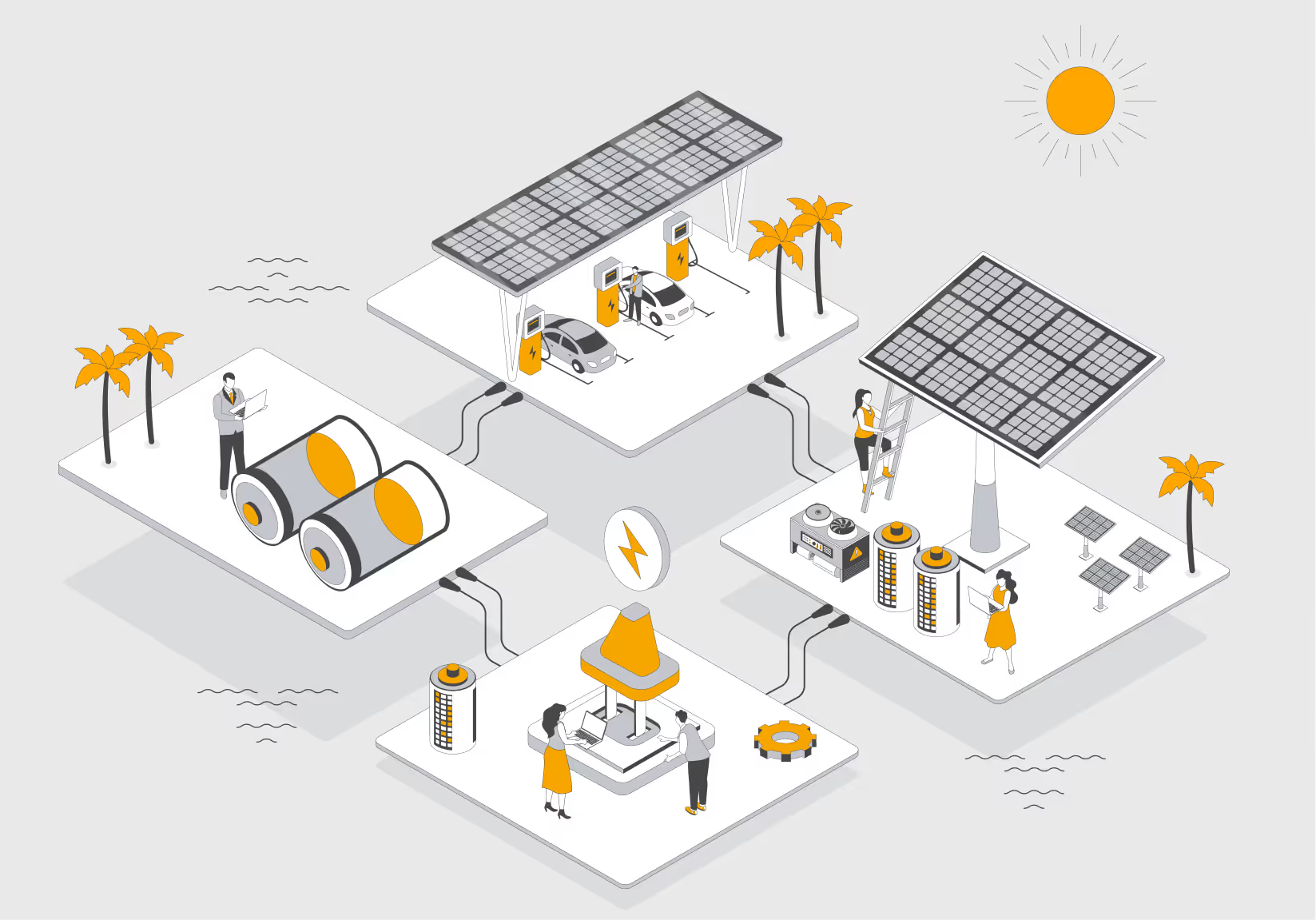
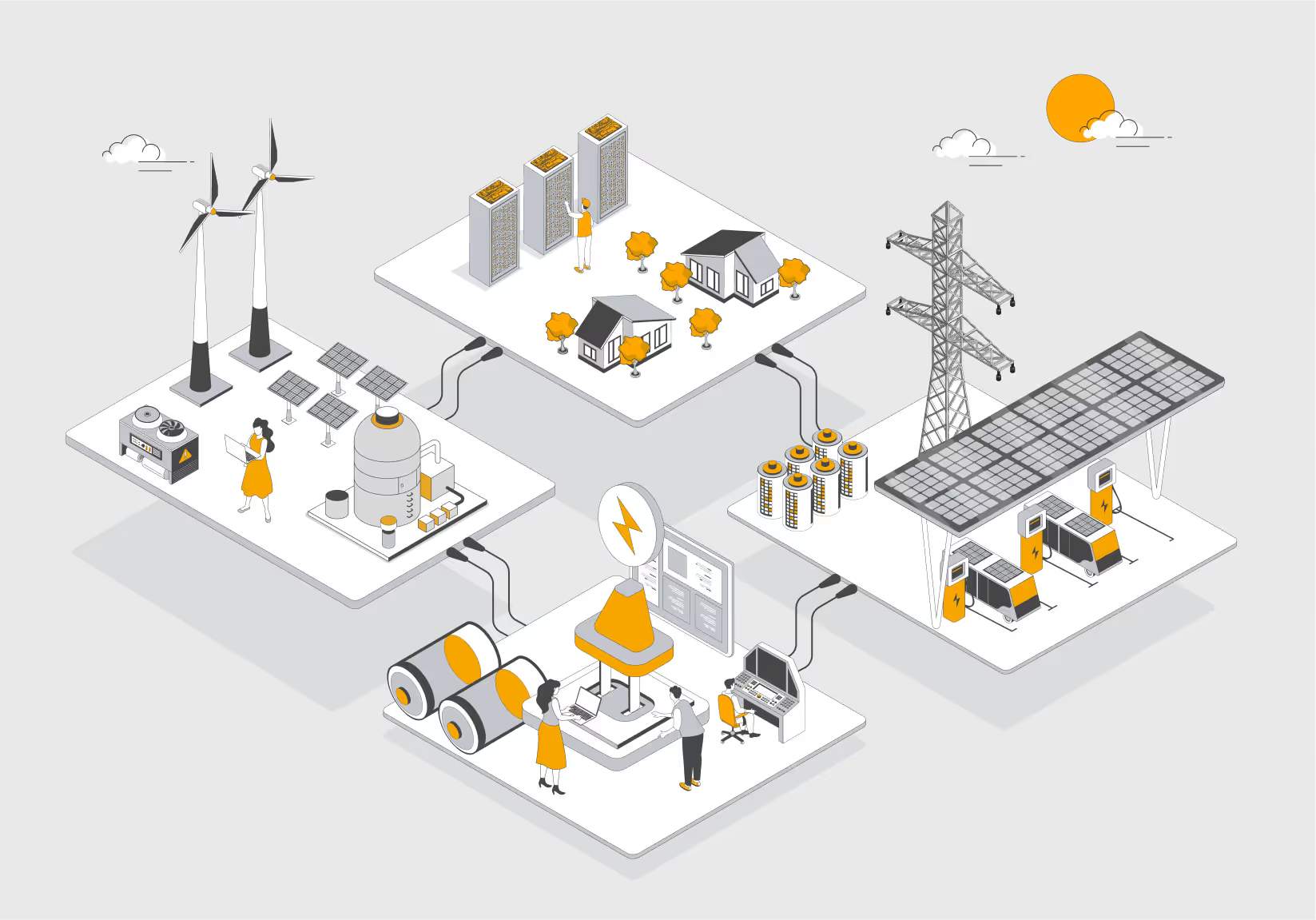
This large-scale Renewable Energy Hub is designed to support high-demand energy users such as data centres, which are becoming increasingly important to digital infrastructure. By integrating renewable generation, storage, grid connection and heat recovery, the hub provides a resilient, low-carbon energy model while supporting local communities and wider electricity system requirements.
System Design & Features
- Extensive solar and wind generation across a defined geographic radius, with optimisation across an approximate 20km radius
- Grid-connected systems enabling participation in wholesale energy and balancing markets
- Data centre supplied through a combination of renewable energy generation, battery storage and grid connection
- District heating network utilising recovered heat from data centre operations to serve homes, schools and commercial buildings
- EV and HGV charging infrastructure with solar canopies for local and commercial use
- Central control centre managing generation, storage and distribution
- Long-duration battery storage improves system reliability, flexibility and resilience
- Potential future integration of Small Modular Reactors (SMRs) for energy security and baseload supply where appropriate
- Potential capability to support hydrogen production via electrolysis, with potential downstream use in flexible generation or industrial applications where appropriate (e.g. CCGT)
Benefits & Outcomes
- Provides reliable, scalable energy for high-demand infrastructure
- Reduces carbon emissions through renewable generation and heat reuse
- Supports decarbonisation of digital infrastructure
- Generates additional revenue opportunities through grid services and energy trading
- Can help reduce pressure on national transmission infrastructure through integrated local energy design
- Delivers local economic benefits and community energy solutions
- Creates a replicable model for large-scale UK and international deployment
Development Context
PandoREH is developing UK Renewable Energy Hub models in collaboration with local authorities, businesses and communities. The approach focuses on coordinated planning, integrated infrastructure design and the practical delivery of low-carbon energy systems for high-demand users and surrounding communities.