
The Renewable Energy Hub (REH)

Renewable Energy Sources


Energy Uses


Principles


Benefits of our approach

Economic Stability
Secure, long-term income for local governments and communities.

Community Empowerment
Enhancing local communities' energy independence.

Enhanced Sustainability
Boosting local renewable energy generation.

Energy Cost Reduction
Boosting competitiveness and supporting sustainable growth.

Energy Security
Increasing the reliability of energy supplies.

Advancing Climate Goals
Progress towards national net zero targets.

Grid Resilience
Strengthening local and national energy infrastructure.

Energy Innovation
Pioneering next generation renewable technologies.
Renewable Energy Hub (REH) Examples
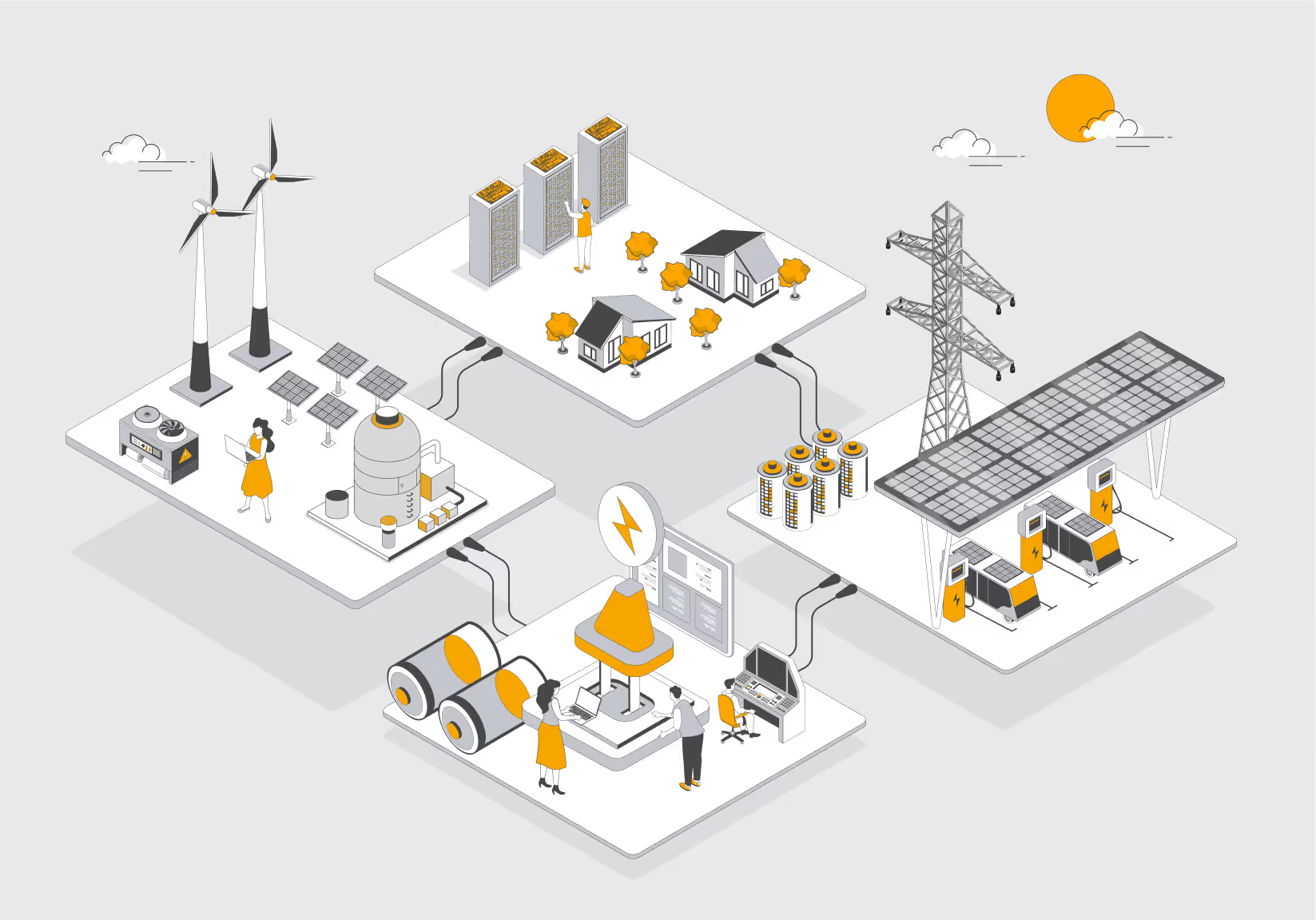
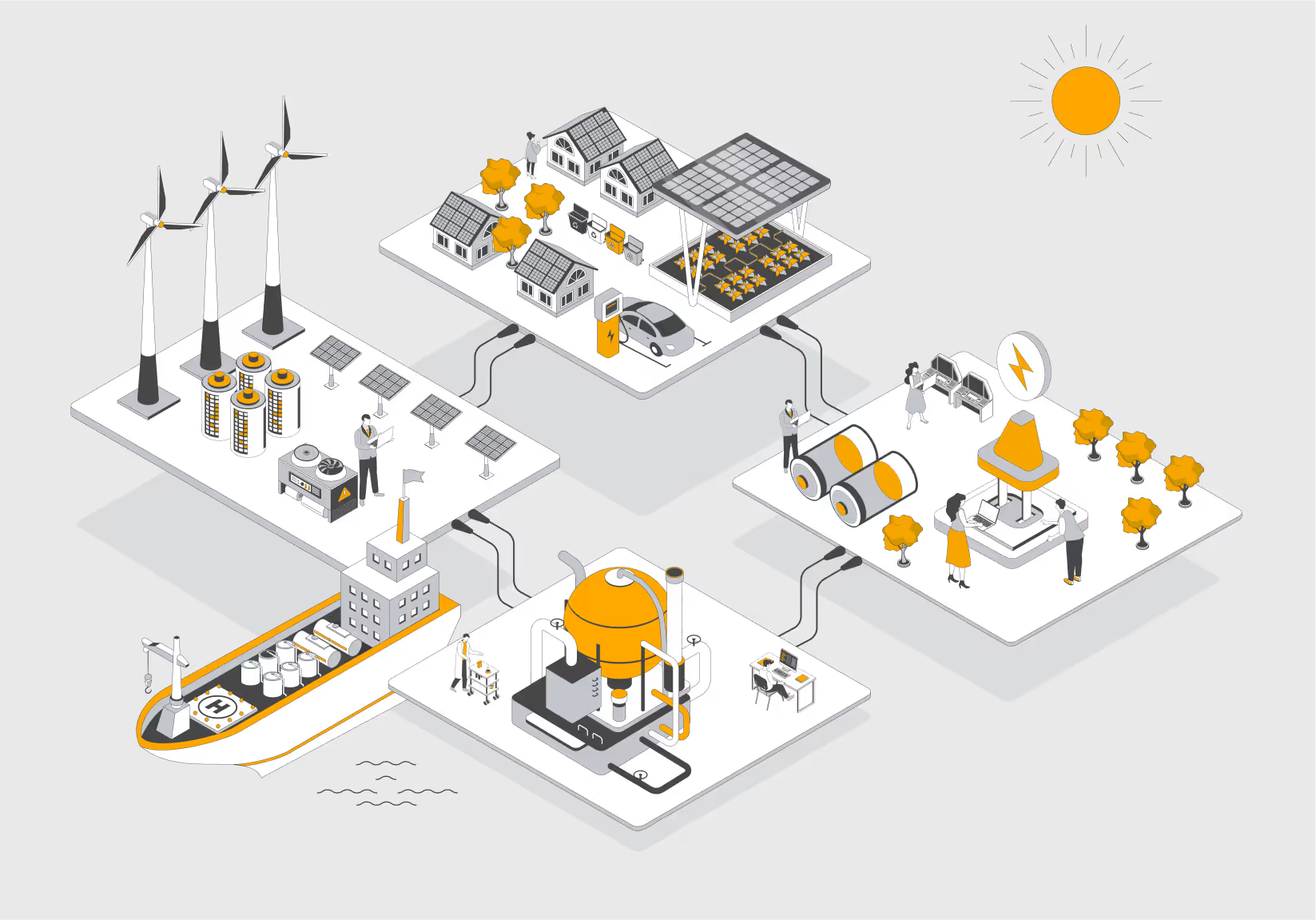
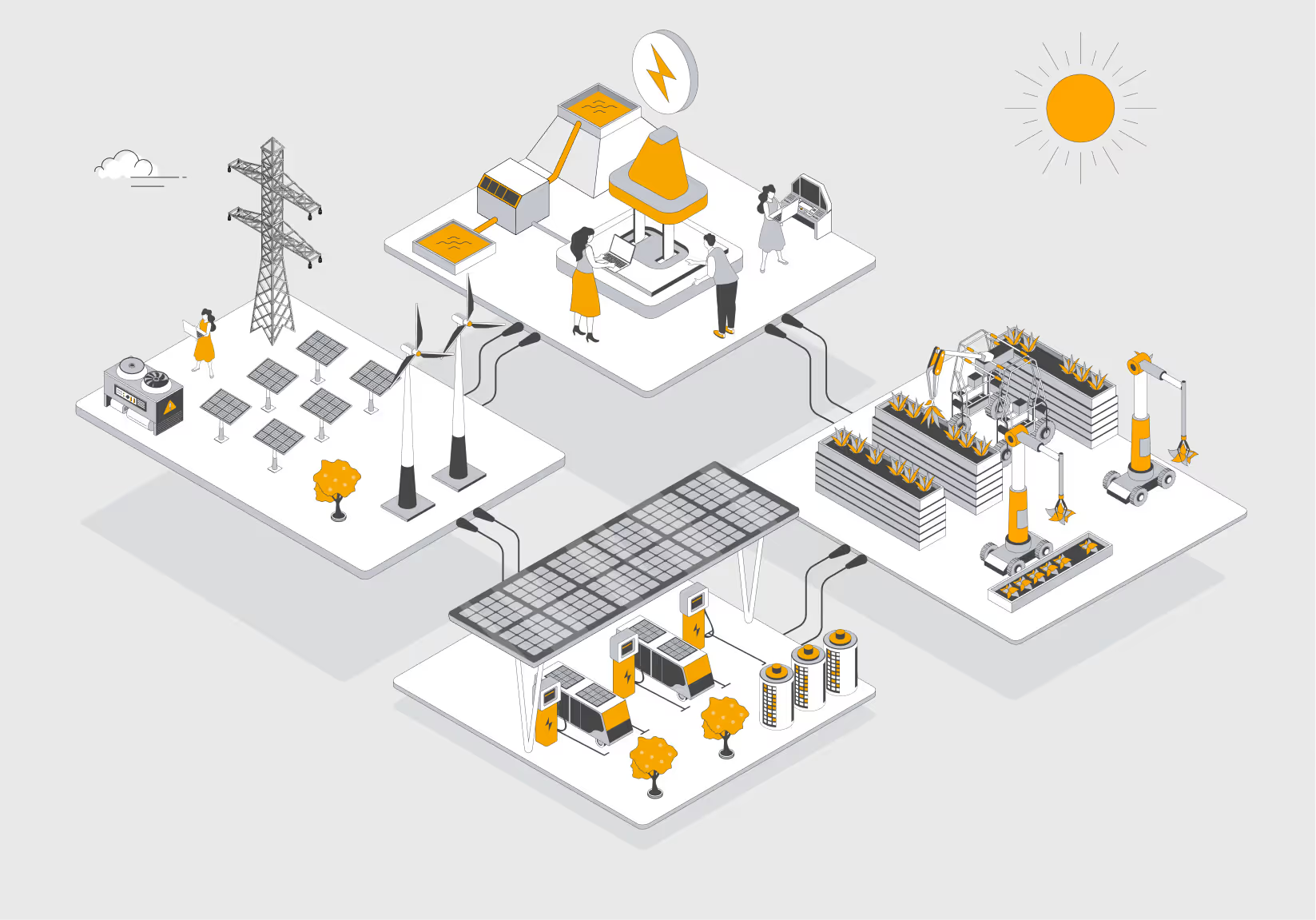
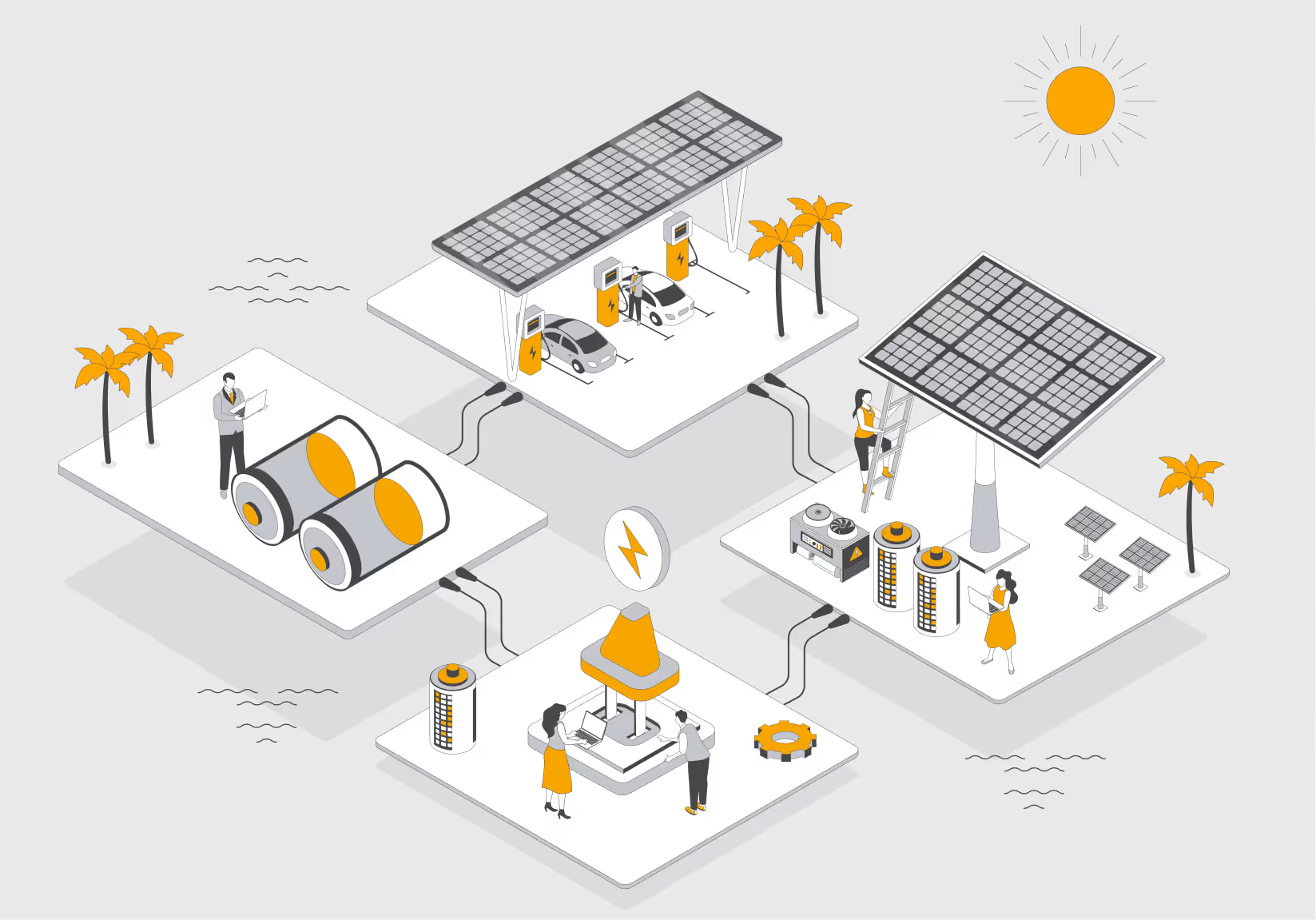
Renewable Energy Hubs can be configured around local demand, available resources, grid access and community or industrial needs. The examples below illustrate how generation, storage, control systems and energy users can be integrated into local energy systems.
These are illustrative models only. Final designs, capacities and benefits will depend on site conditions, planning, grid connection, local demand and stakeholder input.
Project Development Process
Location Assessment
Each site is evaluated for geology, terrain, and climate to determine the best-suited renewable technologies and potential generation capacity.
Project Evaluation
(3–6 months)
Local energy demand is assessed alongside generation potential, storage needs, and grid modeling. Future offtakes like EV charging and data centre heat use are considered.
Land Sourcing
(6–12 months)
Land is sourced based on site conditions and technology type. Timelines depend on landowner agreements and environmental factors.
Grid Submission
(3–6 months)
Early grid applications ensure backup capacity and export potential. This helps optimise costs and manage supply during peak or low generation periods.
Secure Land & Pre-Planning
Land agreements are finalized for generation, storage, and substations. Pre-planning surveys for wildlife and habitats are completed.
Planning & Development (2–3+ years)
Planning applications, public consultations, and environmental assessments are carried out. Development often starts with core infrastructure like substations and solar, expanding to wind, EV, or hydrogen over time.
Financial Investment Decision (1 year)
Contracts are tendered, budgets finalized, and funding secured to begin construction.
Construction (2–3 years)
Construction begins once land leases and contracts are signed. Phased build-outs align with demand and technology readiness.
Operation & Maintenance (25–50+ years)
Once operational, the REH is handed to the asset owner. With regular maintenance and repowering every 15–25 years, the hub can last over 50 years.
Decommissioning & Recycling
End-of-life technology is responsibly decommissioned and recycled. A bond ensures land restoration in line with policy.
Note: Development timescales will vary depending on the technologies involved, grid connection requirements, planning processes and other project-specific considerations. As PandoREH Renewable Energy Hubs incorporate multiple technologies, individual workstreams may progress both in parallel and sequentially throughout the development process.


